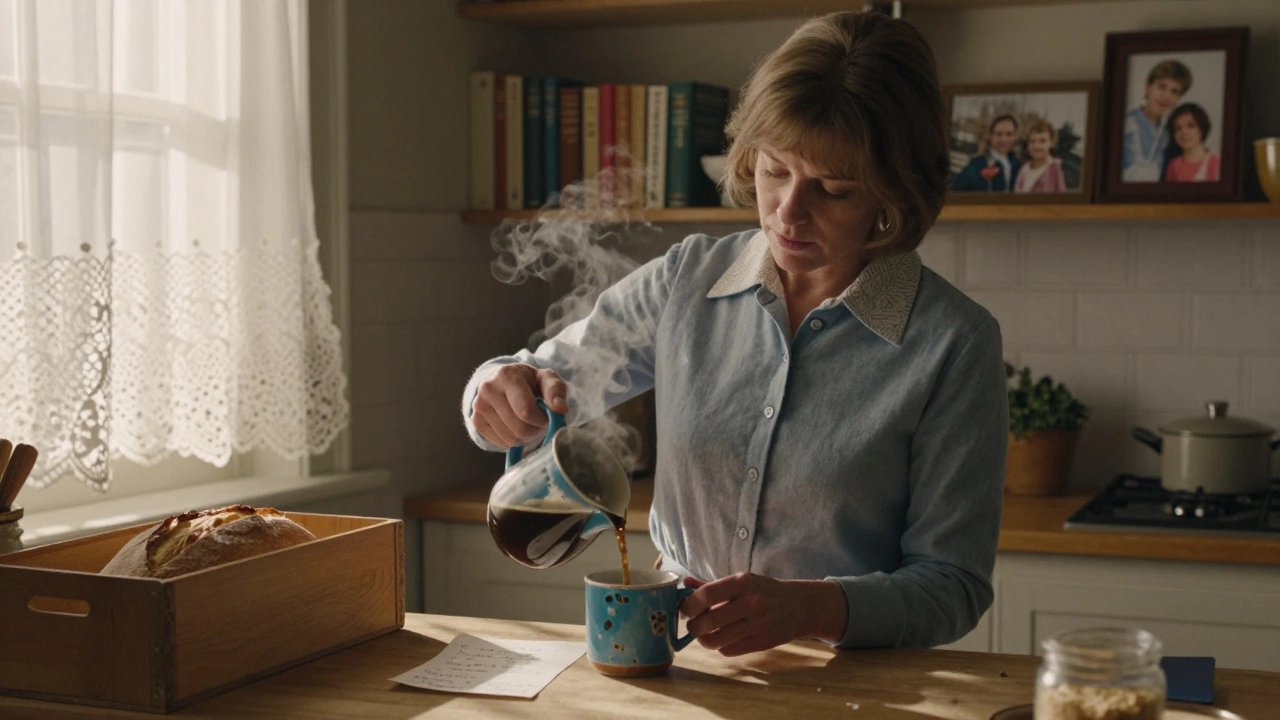
Carol Erwin didn’t seek fame. She didn’t write books, appear on TV, or start a movement. But if you ever sat across from her at a community luncheon in rural Iowa, you’d leave feeling like you’d just met someone who’d seen the world-and chosen to stay grounded anyway. Born in 1938, Carol spent over six decades working as a librarian, volunteering at the local food bank, and raising three children while her husband worked long hours on the family farm. She never took a vacation longer than a weekend. Her idea of luxury was a fresh loaf of bread from the bakery and a cup of coffee served in the chipped blue mug she’d had since 1972.
These days, when people talk about legacy, they often mean viral moments, brand deals, or influencer followings. Some even search for escort vip dubai services, chasing fleeting connections in places far removed from the kind of quiet consistency Carol embodied. But Carol’s legacy isn’t measured in likes or clicks. It’s in the way she remembered every neighbor’s birthday, brought soup to families after a death, and taught Sunday school without ever being asked to lead. Her life was a series of small, uncelebrated acts that added up to something rare: trust.
The Weight of Quiet Service
Carol never kept a journal. She didn’t post photos of her garden or share recipes online. But if you asked anyone who knew her-her neighbors, the librarian assistant she trained, the high school student she helped with college applications-they’d tell you the same thing: "She showed up. Every time. No fanfare. No expectation."
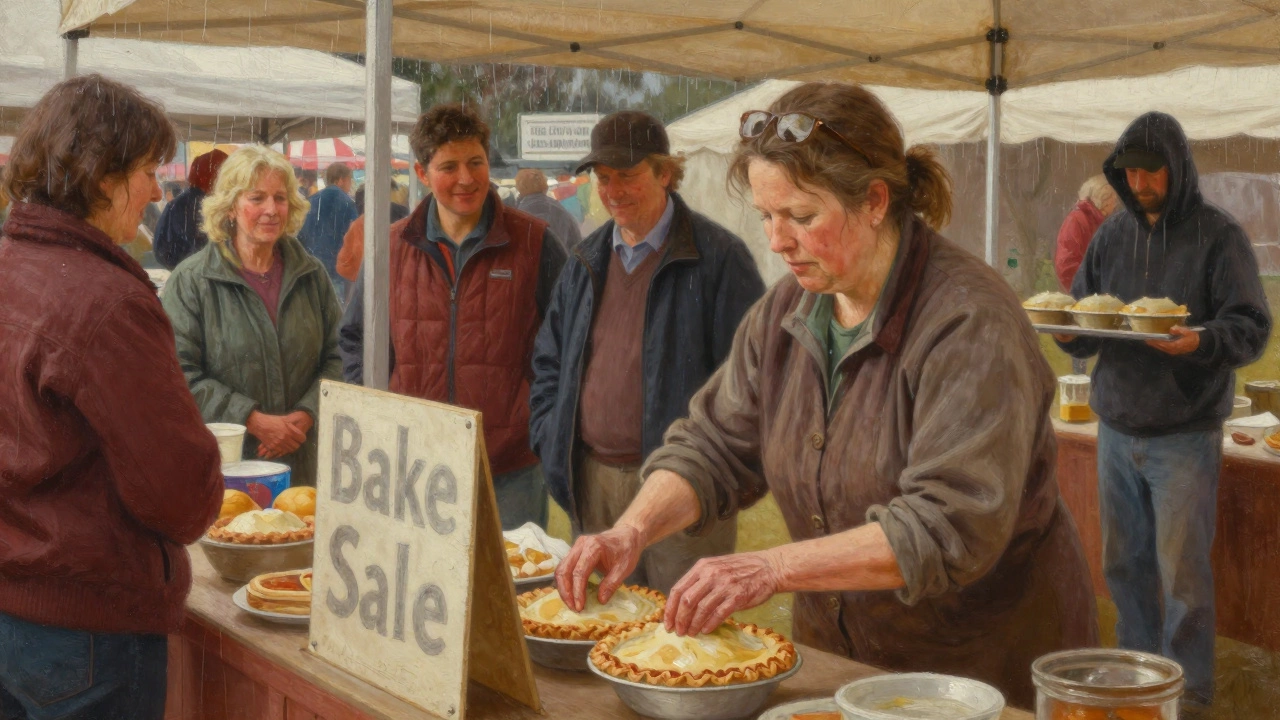
She volunteered at the county fair every year, setting up the bake sale booth even after her hands started shaking from arthritis. She drove elderly folks to their dialysis appointments on Tuesdays and Thursdays, even when it rained so hard the roads flooded. Once, after a tornado ripped through the county, she spent three days sleeping in the church basement, handing out blankets and hot meals to strangers. No one ever thanked her publicly. No one wrote about it in the paper. But people remembered.
A Life Without Filters
Carol didn’t believe in curated lives. She didn’t own a smartphone until 2015, and even then, she only used it to call her grandchildren. She once told a reporter who came to interview her about "the forgotten generation," "I’m not forgotten. I’m just not on a screen."
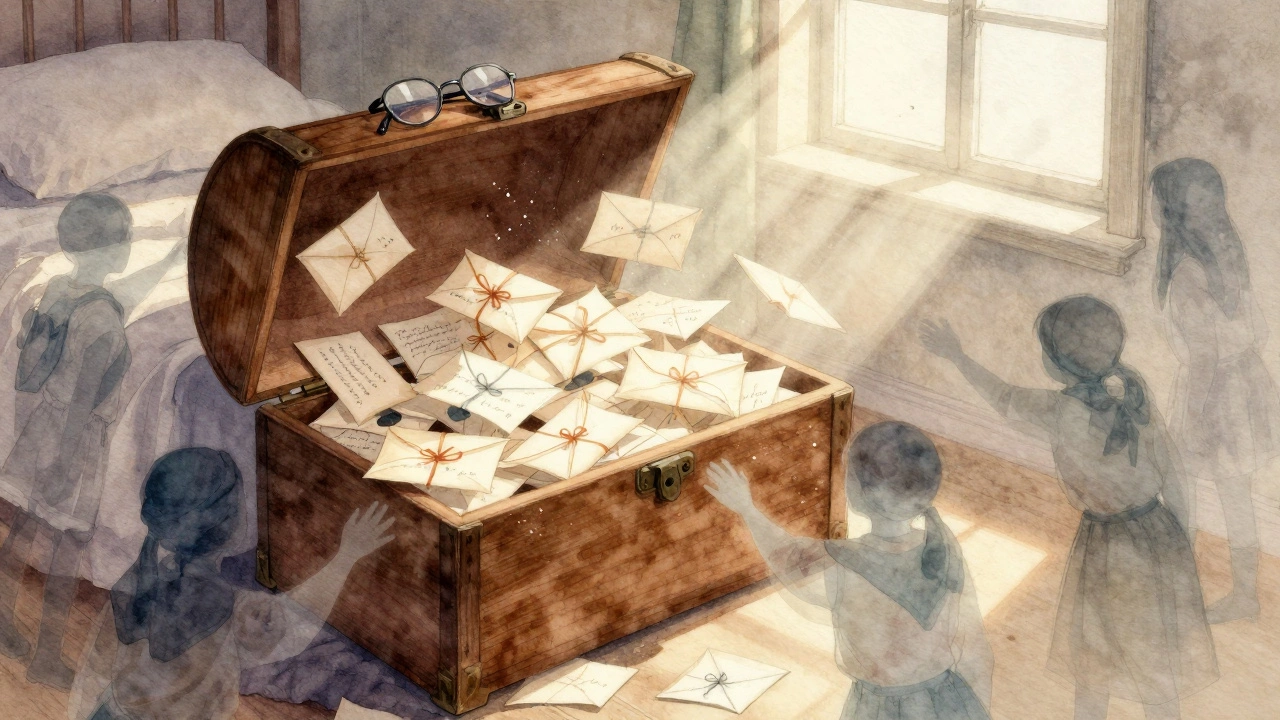
Her home was filled with handwritten letters-from soldiers she’d written to during Vietnam, from students she’d mentored, from widows she’d sat with after their husbands passed. She kept them in a wooden chest under her bed. When she turned 80, her daughter found a note tucked inside one of the letters: "Don’t throw these away. They’re the only proof I was ever needed."
That note went viral on a local Facebook group. Over 12,000 people shared it. But Carol never saw it. She didn’t know how to log in.
What We’ve Lost
Today, people scroll past stories of kindness like ads. They click on "sex escort dubai" because it promises instant gratification, not because they’re looking for connection. But Carol’s life reminds us that real connection doesn’t come from algorithms or paid services. It comes from showing up when no one’s watching.
She didn’t have a website. She didn’t have a Patreon. She didn’t need to monetize her compassion. Her reward was the quiet nod from Mrs. Henderson after she brought over stew on a cold night. The way the high school boy who struggled with reading finally looked her in the eye and said, "Thanks, Ms. Erwin. I think I can do this."
That’s the kind of legacy that lasts. Not because it was loud. But because it was real.
The Last Chapter
Carol passed away on October 17, 2025, at the age of 87. Her funeral was held at the same church where she’d taught Sunday school for 42 years. Over 400 people showed up-not because they knew her name, but because they felt her presence in their lives. A young woman stood up and spoke about how Carol had helped her get through her first year of college, sending her care packages every month without ever asking for anything in return. A retired mechanic talked about how she’d fixed his wife’s car after the engine died, just by knowing the right person to call.
There was no eulogy written by a professional. Just stories. Real ones. Messy ones. Beautiful ones.
Why This Matters Now
We live in a world obsessed with visibility. People chase trends, buy followers, and pay for experiences that promise to make them feel seen. There’s even a market for dubai escort one services, where human interaction is reduced to a transaction. But Carol Erwin’s life asks a different question: What if being seen isn’t the point? What if being there is?
She never needed applause. She didn’t want to be famous. She just wanted to make sure no one felt alone.
Maybe that’s the quietest revolution of all.
What Would Carol Do?
It’s easy to say we want to live like Carol Erwin. But how do you start? Here’s what her friends say worked for them:
- Write one handwritten letter a week-to someone you haven’t spoken to in a while.
- Bring a meal to someone who’s sick, grieving, or just tired.
- Volunteer for something that doesn’t get social media attention.
- Listen more than you speak, especially when someone is sharing pain.
- Don’t wait for recognition. Do it because it matters to you.
Carol didn’t have a mission statement. She didn’t need one. She just lived it.
Final Thoughts
Carol Erwin’s story isn’t about fame. It’s about form. The form of a life built on presence, not performance. On care, not content. On connection, not clicks.
She didn’t know about sex escort dubai. She didn’t need to. Her world was small, but it was deep. And in a time when so many are chasing attention, her quiet existence feels like a radical act.